How Renewable Energy Transforms Manufacturing Processes
As sustainability becomes a critical focus for high-tech manufacturing, companies are increasingly turning to renewable energy. This shift not only aims to reduce carbon footprints but also to enhance operational efficiency. This article explores how renewable energy transforms manufacturing processes, backed by case studies and expert insights.
Understanding the Basics of Renewable Energy in Manufacturing
Renewable energy sources such as solar, wind, and hydropower are gaining traction in manufacturing sectors, particularly due to their potential to lower operational costs and promote sustainability. According to research by the International Renewable Energy Agency (IRENA), many companies that integrate renewable energy into their operations report a reduction in energy costs by 10-30%. This transformation is typically accomplished through the installation of on-site renewable energy systems or by purchasing green energy from suppliers.
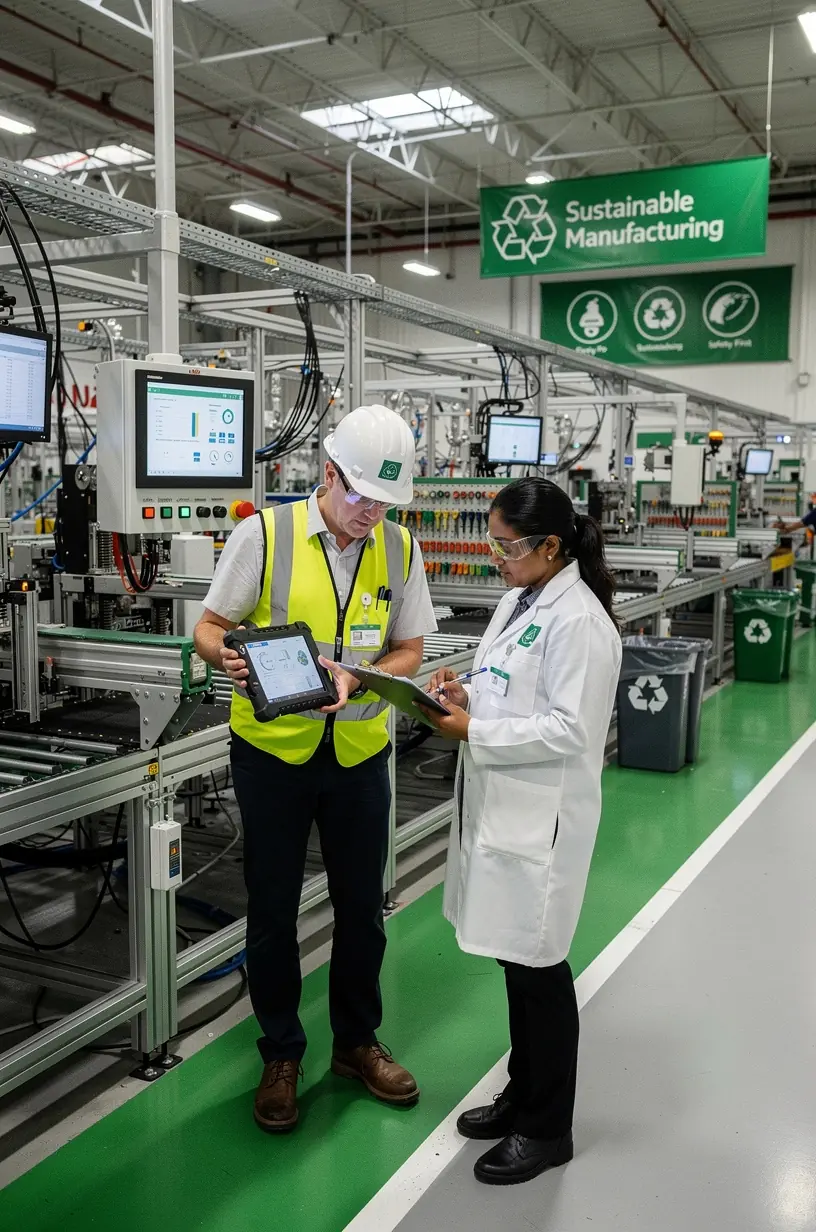
"Transitioning to renewable energy not only addresses environmental concerns but can also drive business efficiencies that improve profit margins." - Industry Expert
How Renewable Energy Works in Manufacturing Processes
The integration of renewable energy into manufacturing processes often involves several steps:
- Assessment of Energy Needs: Companies begin by evaluating their current energy consumption and identifying patterns that can be optimized.
- Feasibility Studies: Experts typically recommend conducting feasibility studies to determine the most suitable renewable energy sources for specific manufacturing contexts.
- Implementation: This stage involves the installation of renewable energy systems, such as solar panels or wind turbines, which generally takes 3-6 months depending on the scale of the project.
- Monitoring and Optimization: Post-installation, it's important to continuously monitor energy usage and performance to identify improvement areas.
Benefits of Adopting Renewable Energy
Integrating renewable energy into manufacturing offers numerous benefits:
- Cost Savings: Research indicates that companies can save significantly on energy bills over time, making the initial investment worthwhile.
- Reduction in Carbon Footprint: Utilizing renewable energy contributes to lower greenhouse gas emissions, aligning with global sustainability targets.
- Enhanced Corporate Image: Many consumers and businesses are increasingly favoring companies that demonstrate a commitment to sustainability.
Challenges and Considerations
While the benefits are substantial, integrating renewable energy is not without its challenges:
- Initial Investment: Transitioning to renewable energy often requires a significant upfront investment, which may not be feasible for all manufacturers.
- Learning Curve: Workers may need training to operate new technology effectively, which involves time and resources.
- Regulatory Compliance: Companies must ensure they comply with local regulations regarding energy production and environmental impacts.
Conclusion
In summary, while the transition to renewable energy in manufacturing processes presents challenges, the potential for cost savings, reduced carbon footprints, and enhanced corporate reputation offers compelling reasons to consider this shift. By understanding the processes involved and setting realistic expectations, manufacturing companies can effectively leverage renewable energy to foster a more sustainable future.