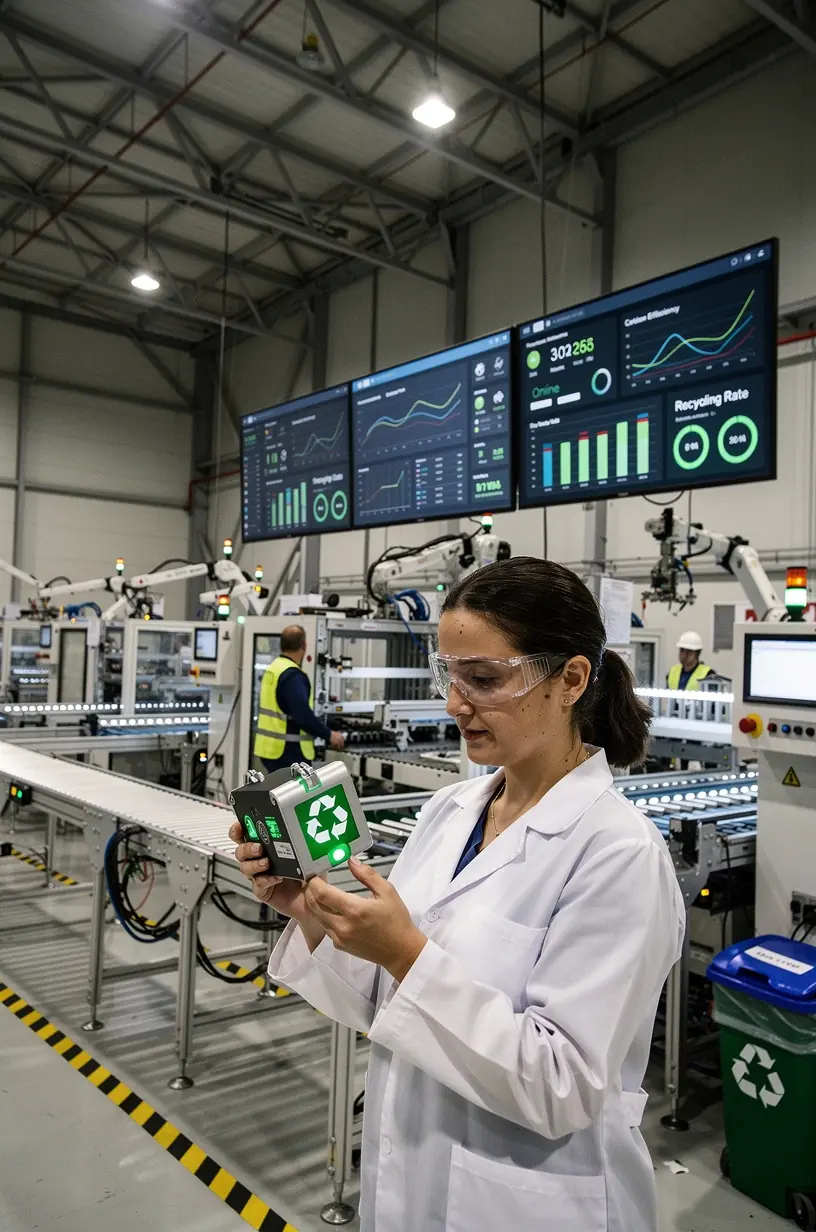
Data-Driven Insights into Supply Chain Transparency
In today’s high-tech manufacturing landscape, supply chain transparency has emerged as a critical component for sustainability managers and supply chain analysts. This article explores the importance of data-driven insights in fostering transparency, providing practical applications, and discussing challenges and opportunities in greening the supply chain.
Understanding the Importance of Supply Chain Transparency
Supply chain transparency refers to the visibility of the entire supply chain process, from raw materials to end products. Studies show that high levels of transparency can improve trust among stakeholders and enhance brand reputation. According to research by the World Economic Forum, organizations with transparent supply chains often see a 15-20% increase in customer satisfaction.

"Transparency fosters accountability and trust in the supply chain, which are essential for sustainable practices." - Supply Chain Expert
Data-Driven Approaches to Enhancing Transparency
Implementing data-driven methods for supply chain transparency involves using advanced technologies and analytics. Here are some effective strategies:
- Utilizing Blockchain Technology: Many companies are exploring blockchain to ensure secure, tamper-proof records of transactions. Experts recommend that businesses implement this technology for critical components, enhancing traceability and accountability.
- Leveraging IoT Sensors: Internet of Things (IoT) devices can provide real-time data on inventory levels and shipping conditions. This can help companies monitor supply chain processes and respond proactively to potential disruptions.
- Data Analytics Tools: Advanced analytics can identify inefficiencies and risks in the supply chain. Research indicates that data analytics can reduce supply chain costs by up to 10% while increasing responsiveness.
Challenges to Overcome
Despite the benefits, there are challenges in achieving supply chain transparency:
- Data Privacy Concerns: Organizations must navigate the balance between transparency and protecting sensitive information. Experts suggest implementing robust data governance frameworks to mitigate risks.
- Integration of Technology: Implementing new technologies can require significant time and resources. This process typically takes 6-12 months, depending on the complexity of the supply chain.
- Resistance to Change: Stakeholders may be hesitant to adopt transparent practices due to fear of increased scrutiny. It’s crucial to communicate the long-term benefits of transparency to foster buy-in.
Conclusion
Data-driven insights are essential for achieving supply chain transparency in high-tech manufacturing. By leveraging technologies like blockchain, IoT, and advanced analytics, companies can enhance their sustainability efforts and improve stakeholder trust. While challenges exist, the potential for increased efficiency and customer satisfaction makes the pursuit of transparency a worthwhile endeavor. Setting realistic expectations and providing necessary resources can empower organizations to navigate this complex landscape effectively.