Understanding Carbon Footprint Assessment Techniques
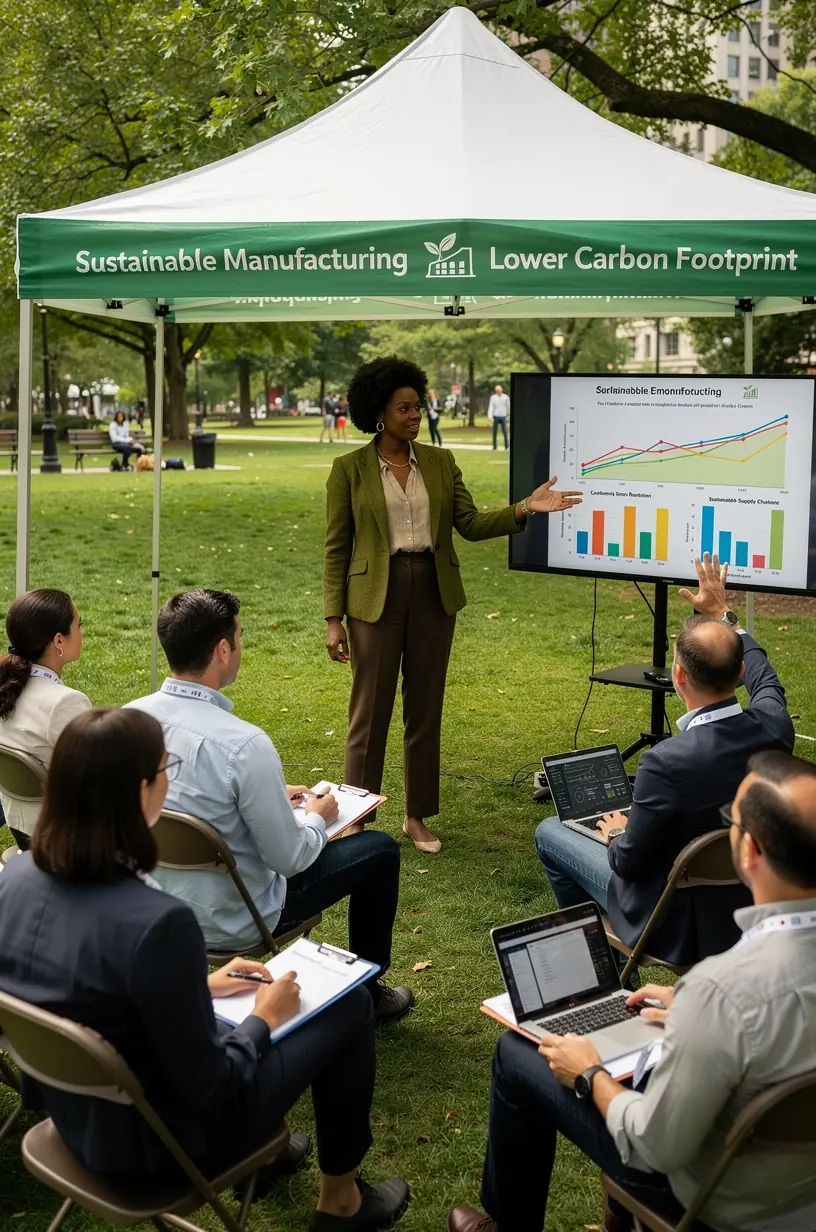
As sustainability managers and supply chain analysts, understanding the various carbon footprint assessment techniques is crucial for effectively greening the supply chain within high-tech manufacturing. This article explores essential methods, their implications, and best practices in assessing carbon emissions.
Understanding the Basics
Carbon footprint assessment typically involves measuring the total greenhouse gas emissions caused directly and indirectly by an organization, product, or activity. According to the Greenhouse Gas Protocol, there are three scopes to consider:
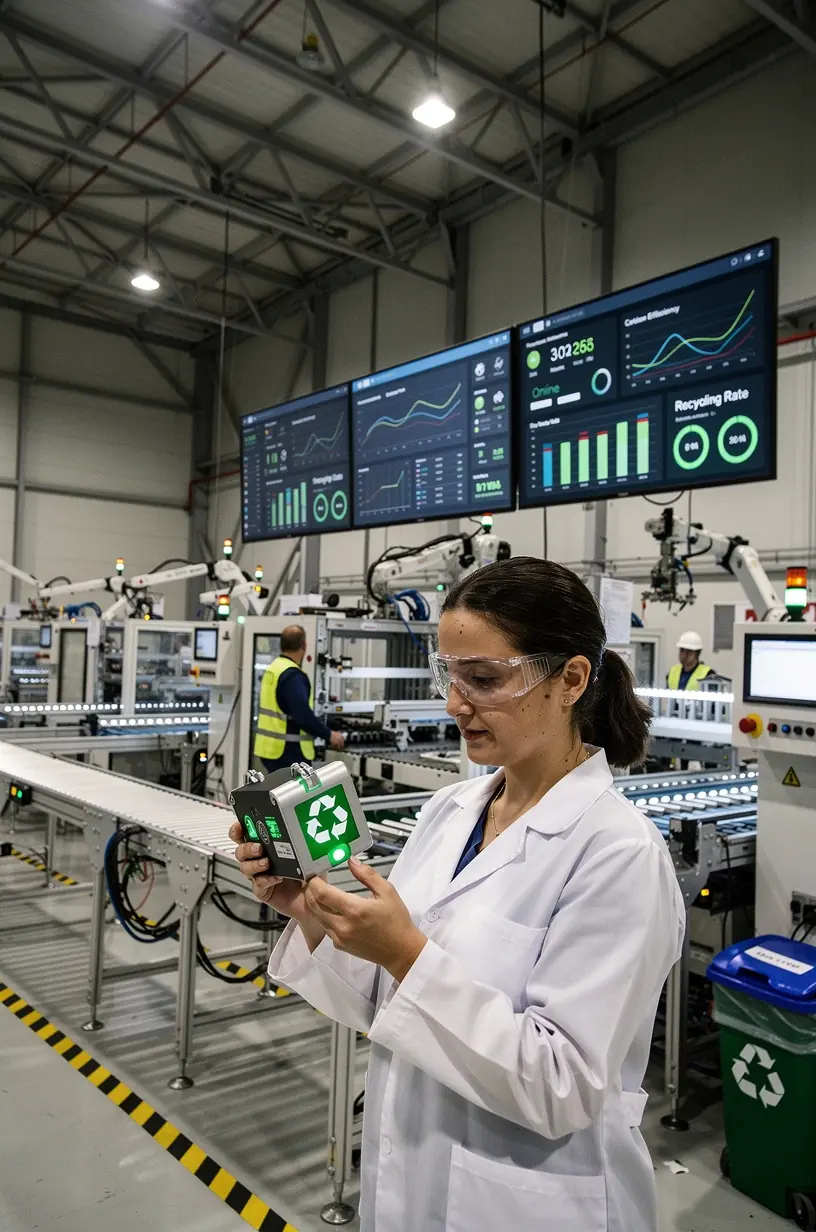
- Scope 1: Direct emissions from owned or controlled sources.
- Scope 2: Indirect emissions from the generation of purchased electricity.
- Scope 3: All other indirect emissions in the value chain.
This categorization helps organizations pinpoint where emissions occur and tailor their strategies accordingly.
Assessment Techniques
There are several widely accepted techniques for assessing carbon footprints. Here are three notable methods:
- Life Cycle Assessment (LCA): LCA evaluates the environmental impacts associated with all stages of a product’s life, from raw material extraction through to disposal. Studies show that utilizing LCA can help identify hotspots where emissions can be reduced, often leading to a 15-20% reduction in carbon footprints.
- Carbon Footprint Calculators: These online tools enable companies to estimate their carbon emissions based on operational data. While convenient, the accuracy can vary significantly, and they typically require continual updates to remain relevant.
- Supply Chain Analysis: Engaging with suppliers to assess their emissions can yield insights into Scope 3 emissions. Research indicates that many companies find that more than 70% of their total emissions come from this scope, highlighting the need to work collaboratively with supply chain partners.
"Identifying and quantifying emissions is the first step toward effective reduction strategies. Engaging across the supply chain is essential for meaningful impact." – Industry Expert
Practical Application
Implementing these assessment techniques effectively requires a clear understanding of both the methodologies and operational context:
- Integrate assessment processes into your routine operations; typically, an initial assessment can take 2-4 weeks to complete.
- Ensure that your team is trained in the relevant methodologies; this often involves a learning curve that may require dedicated effort.
- Utilize results not just for compliance, but as a foundation for improving efficiency and reducing costs in the long run. Many organizations report seeing benefits within 3-6 months after implementing changes based on assessment findings.
Conclusion
Understanding carbon footprint assessment techniques is crucial for sustainability efforts within high-tech manufacturing. By employing methods such as LCA, calculators, and supply chain analysis, organizations can take significant steps towards reducing their carbon emissions. Remember, the process involves dedication and a strategic approach, but the rewards in terms of sustainability and corporate responsibility can be substantial.