
Strategies for Reducing Waste in High-Tech Production
In the high-tech manufacturing sector, waste reduction is a critical component of sustainability initiatives. According to recent studies, companies that implement effective waste management strategies can reduce operational costs significantly while enhancing their environmental responsibility.
Understanding the Waste Challenge
High-tech manufacturing processes often lead to substantial waste, ranging from excess materials to energy inefficiencies. Research indicates that manufacturing industries typically generate between 4-10% of their total production as waste, which can negatively impact both profitability and environmental sustainability. This challenge requires a multifaceted approach to waste reduction that involves understanding the sources of waste and implementing effective strategies.
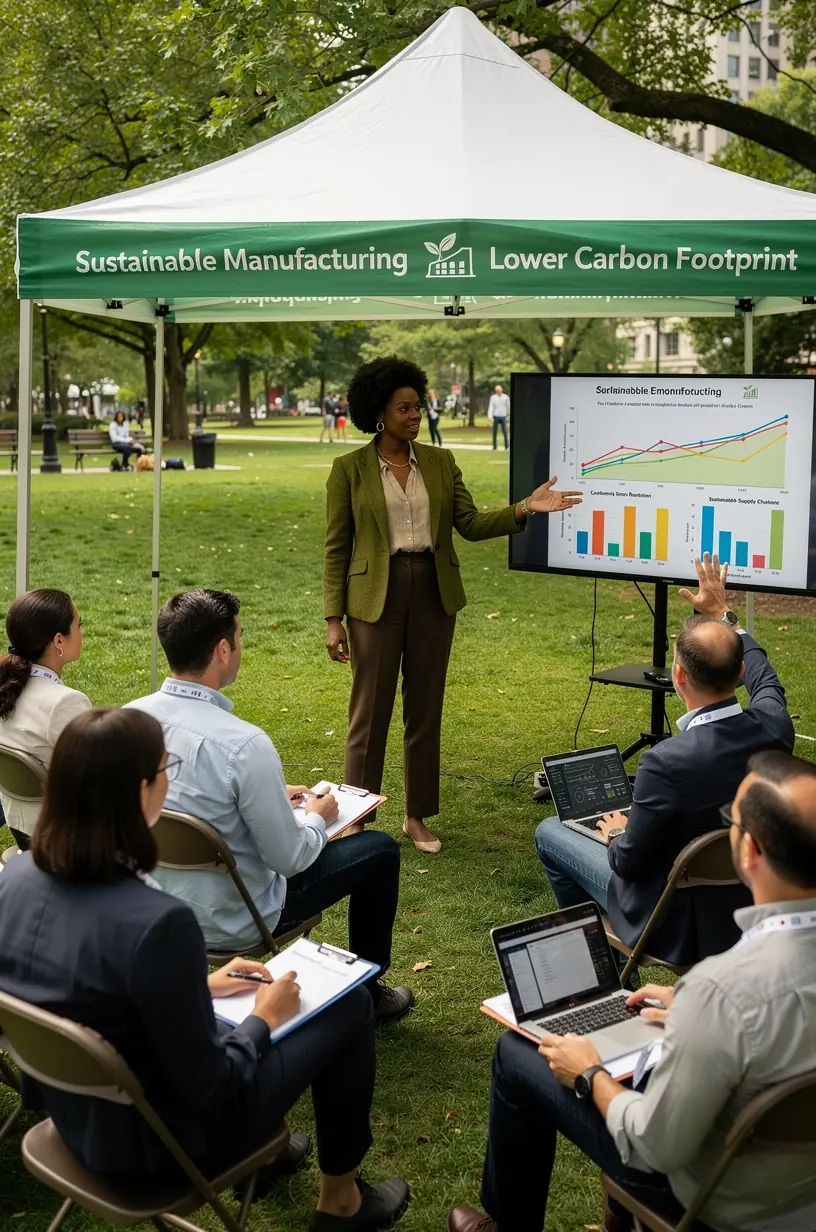
"Incorporating sustainable practices in manufacturing not only reduces waste but can also improve overall productivity, as shown by a 20-30% increase reported by companies that have adopted these methods."
Effective Strategies for Waste Reduction
- Implement Lean Manufacturing Principles: Many experts recommend adopting lean principles, which focus on minimizing waste without sacrificing productivity. This approach can help streamline processes by eliminating non-value-adding activities.
- Circular Economy Practices: Companies are increasingly looking to adopt circular economy models, which emphasize reusing materials and reducing waste. This typically requires a shift in product design and supply chain management to facilitate recycling and repurposing.
- Enhanced Material Management: Efficient inventory management is crucial in reducing waste. Implementing just-in-time (JIT) practices can minimize excess materials and ensure that products are made to order, reducing the likelihood of surplus.
Challenges and Considerations
While the strategies mentioned above can be effective, it's important to acknowledge the limitations involved:
- Implementing lean manufacturing typically requires a cultural shift within the organization, which can take 2-4 months to fully embed.
- Adopting circular economy practices may not be suitable for all products, particularly if they involve complex materials that are difficult to recycle.
- Efficient material management strategies often require advanced software systems and training for staff, which involves both time and financial investment.
Conclusion
Reducing waste in high-tech production is both a challenge and an opportunity for sustainability managers and supply chain analysts. By understanding the sources of waste and implementing proven strategies, companies can not only reduce their environmental impact but also improve their bottom line. Remember that while these methods can be effective, they require commitment and time to see significant results. Establishing a culture of continuous improvement and sustainability will ultimately lead to long-term benefits for both the organization and the planet.
Explore Further