Circular Economy: Case Studies in High-Tech Manufacturing
The transition toward a circular economy in high-tech manufacturing is gaining momentum. This article explores in-depth case studies and data-driven insights into how innovative technologies and practices can help organizations reduce their carbon footprint while enhancing sustainability.
Understanding the Circular Economy
The circular economy concept revolves around minimizing waste and making the most of resources. Unlike the traditional linear model, which follows a take-make-dispose pattern, the circular economy emphasizes reuse, recycling, and closed-loop systems. According to research from the Ellen MacArthur Foundation, companies adopting circular practices can reduce their operational costs by up to 30% while improving their brand loyalty.

"The principle behind the circular economy is to create a system where waste is designed out of the process, and resources are kept in use for as long as possible." - Ellen MacArthur Foundation
Case Study: Dell Technologies
Dell Technologies has been a frontrunner in implementing circular economy practices within its supply chain. The company has launched several initiatives, including the use of recycled plastics in its products. These efforts are not only environmentally responsible but also economically beneficial, as Dell reports that using recycled materials can reduce production costs significantly.
Methodology and Implementation
To successfully integrate these practices, Dell has adopted a framework that involves:
- Material Sourcing: Collaborating with suppliers to source sustainable materials.
- Product Design: Designing products for disassembly and recyclability.
- Take-back Programs: Encouraging customers to return end-of-life products for recycling.
Case Study: Siemens
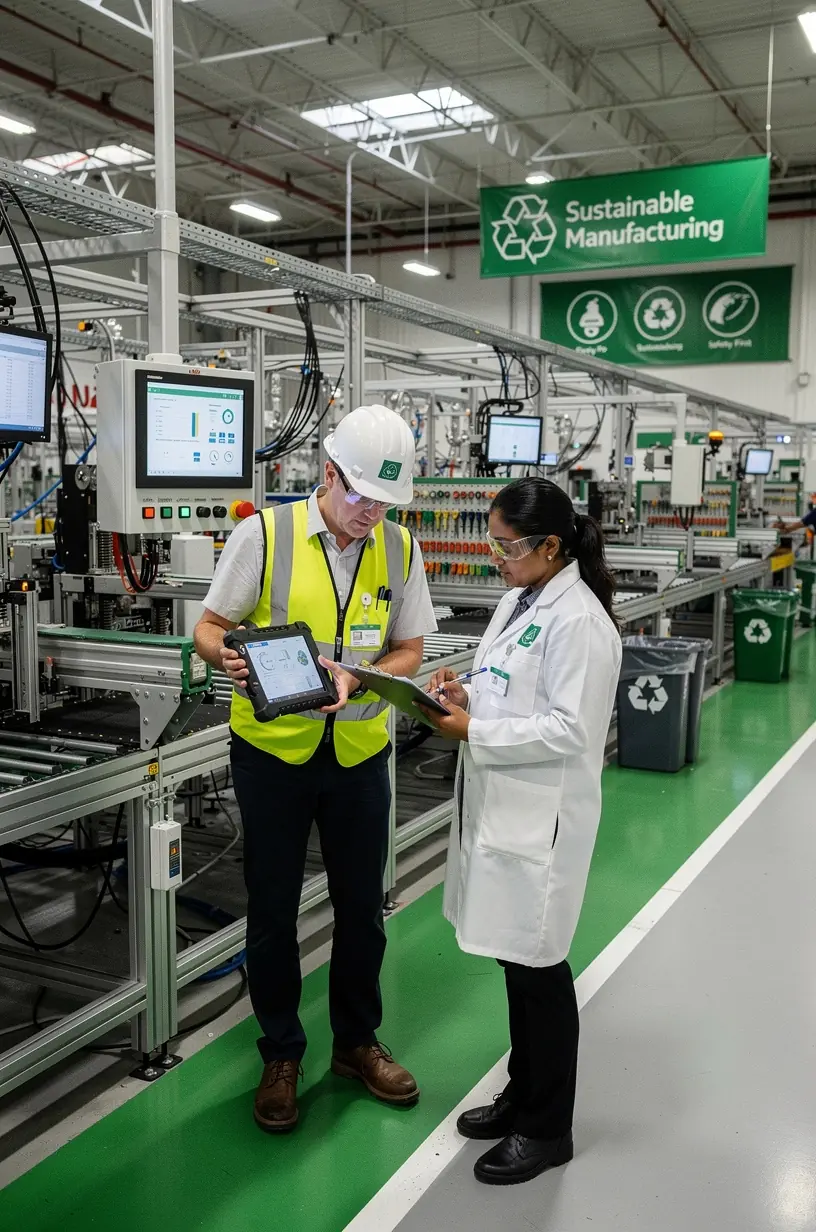
Siemens has also made strides in its circular economy initiatives by focusing on energy efficiency and resource optimization in its manufacturing processes. Their Digital Factory division has implemented smart manufacturing technologies that help monitor resource usage in real-time, thereby identifying areas for waste reduction.
Key Outcomes
As a result of these initiatives, Siemens aims to achieve a 50% reduction in its carbon footprint by 2030. This ambitious goal is backed by studies indicating that companies engaged in sustainable practices can improve their profit margins by as much as 20% over time.
Challenges and Considerations
While adopting circular economy practices can lead to significant benefits, it is essential to acknowledge the challenges involved. Transitioning to a circular model typically requires:
- Time and investment in new technologies and processes.
- Training and commitment from employees to adapt to new practices.
- Collaboration with partners and suppliers to ensure sustainability throughout the supply chain.
Conclusion
As high-tech manufacturers increasingly recognize the importance of sustainability, the circular economy presents a viable path forward. By learning from successful case studies like Dell Technologies and Siemens, organizations can not only enhance their environmental responsibility but also improve their bottom line. Implementing these practices may involve challenges, but the long-term benefits are well worth the effort.